
 WeHomeCare Family
 WeHomeCare Living
 WeHomeCare Connect
 WeHomeCare Campus
 WeHomeCare Omnibus
Guides and articles related to WeHomeCare Living
Supporting care at home.
Record daily activities, medication, meals and personal care to support continuity.
This section describes WeHomeCare's own products.
The guides and articles below relate to the area this suite covers. A listing here says only that a piece relates to that area. It does not say the product does what the piece describes.
Daily activities and personal care
- Help with everyday tasks and getting out of the houseShopping, cleaning, appointments and the trip to see a friend all take some getting to. The kinds of help people and their families put together, and why getting out is about more than errands.
- The shape of a day belongs to the person living itToast at the counter, lunch at one, a neighbour with a cake tin on Thursdays. A look at meals as company and habit, and at who decides how a day runs.Eating and routineCare at home


Large controls and plain wording
- Helping someone keep doing things for themselvesStepping in can feel like the kind thing to do. This guide is about doing everyday tasks alongside someone, at their pace, and knowing which questions belong with their care team.
- Asking for information in a form that works for youLarge print, braille, audio, easy read, an interpreter or a phone call instead of a letter: information from a care or health service can come in more than one form. Asking for the one that works, for you or for someone you support, and who to ask.


Recording everyday care at home
- What supported living is, and who shapes itSupported living can mean a home of one's own, with support arranged around the person who lives there. How public bodies and others in social care describe it, the person's say over where, how and with whom they live, and questions to put to whoever arranges it.Family and consentDisability
- Keeping someone's privacy when you help at homeHelping in someone else's home means being in their space, their cupboards and their day. Ways to give help that keeps their privacy, and their say, intact.


Meals and hydration
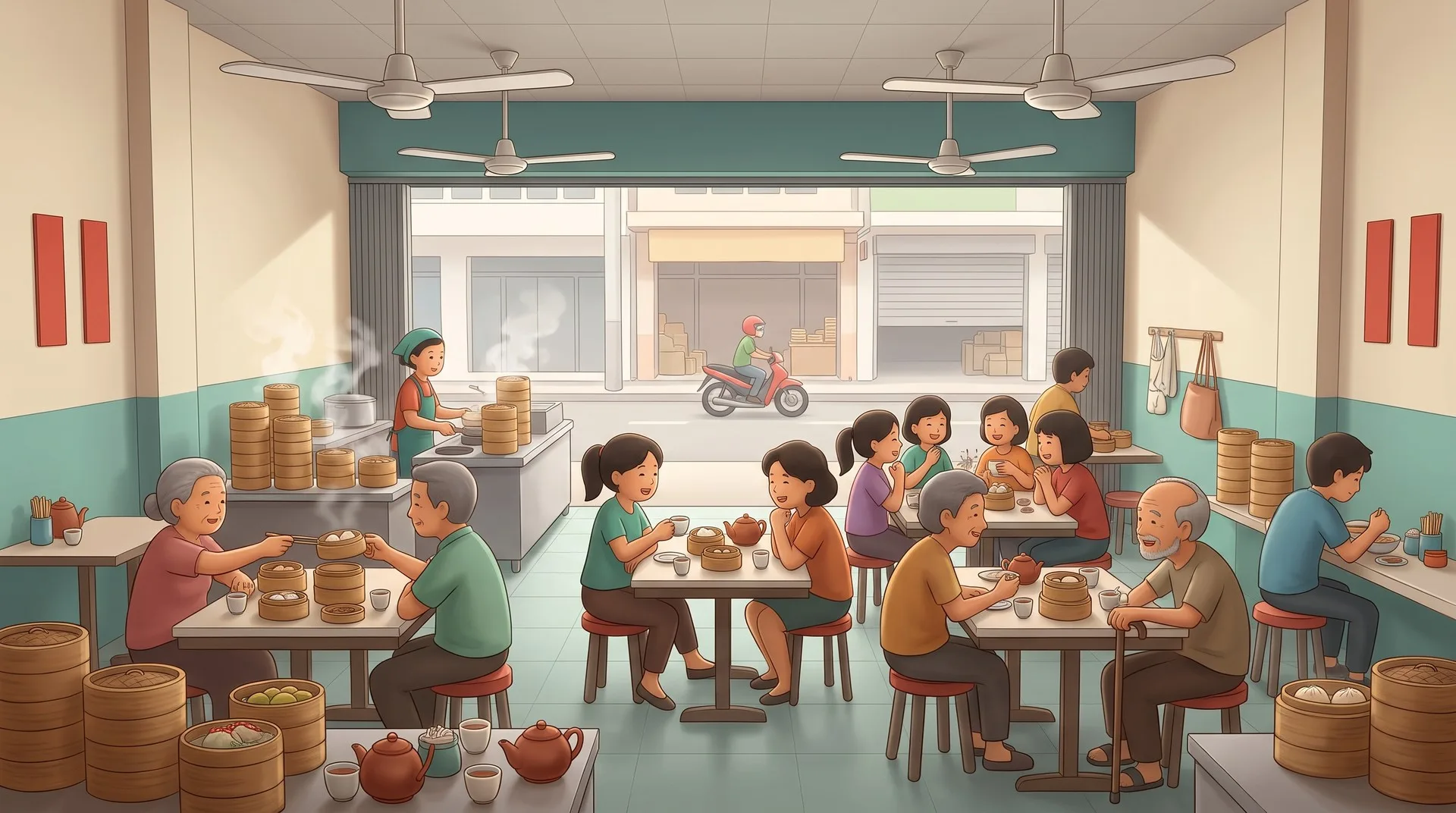
- Keeping meals and daily routines feeling like theirsThe time breakfast goes on the table, the plate they always use, who sits where: the small rhythms of a day are part of a life. How families can help with meals and routines and leave them recognisably the person's own.

Related to this suite
- A break from caring, and who can step inA break can be an hour or a fortnight, and the people who cover can be family, volunteers or paid help. Here is how to picture one, line up cover and hand over well.
- A profile in the person's own words, for everyone who supports themA page a person fills in can set out how they communicate, what they like and the adjustments they need. Some bodies in England describe one for hospital stays, the hospital or health passport, and who each is written for; who else sees it is the person's to decide.
- Equipment for daily living, and who assesses for itEquipment for dressing, eating or getting out of a chair or bed comes in many kinds, and which, if any, suits a person is worked out with them. Who can assess for it, how to ask, and why the choice stays the person's.
- Personal assistance, and the person who directs itIn some places, a disabled person can take on their own assistants and direct the help they give. What public bodies and others describe about personal assistance and self-managed attendant services, the person's part as the one in charge, and who to ask where they live.
- Questions to ask a care provider about language, culture, faith and the way someone livesThe language someone speaks, the food they eat, their faith and how they like to be helped are part of who they are. Questions to put to a care provider, drawn from what some public bodies set out, for the person to use in any setting.
- When you start receiving care: your say from the first visitWhen care begins, at home or somewhere new, there is a lot you may be asked and a lot you can ask. What public bodies describe about your part from the start: how your days run, which service comes, and how to ask for another look.
- What people receiving care say matters to themSome public bodies have asked people who receive care, and older people, about their lives and the help that comes to them. What their published reports describe, and why none of it speaks for any one person.Family and consentPeople and wellbeing






How we source
Carefulness, made visible.
Named, not counted
Each piece names its sources and tags each one Primary or Secondary. It never counts sources at you.
Under-claiming on purpose
Where no authority sets a threshold, we say so rather than inventing one.
Naming the limit
Every piece names where its authority ends, and who to ask instead.