
 WeHomeCare Family
 WeHomeCare Living
 WeHomeCare Connect
 WeHomeCare Campus
 WeHomeCare Omnibus
Care at Home
For people receiving care at home and those around them: home care, live-in and overnight help, daily living, local support, short breaks, specialist care and home adaptations.

Sections in this department
- Bringing a carer into someone's homeA new carer walks into a home full of habits nobody has ever had to explain. A careful start, clear preferences and early, plain conversations can give the arrangement a better footing.
- What help at home can includeHelp at home covers more ground than the phrase suggests, from company and housework to personal care and nursing. Knowing the broad kinds can make a first conversation with a provider easier to follow.
- When help at home has just begunThe first visits have happened. What guidance says a person may be given in writing at the start, who they can ask with questions, and how, with the person, the arrangement can be adjusted and concerns raised.



- Help with everyday tasks and getting out of the houseShopping, cleaning, appointments and the trip to see a friend all take some getting to. The kinds of help people and their families put together, and why getting out is about more than errands.
- Keeping meals and daily routines feeling like theirsThe time breakfast goes on the table, the plate they always use, who sits where: the small rhythms of a day are part of a life. How families can help with meals and routines and leave them recognisably the person's own.


Live-in and Overnight Care
1 guide
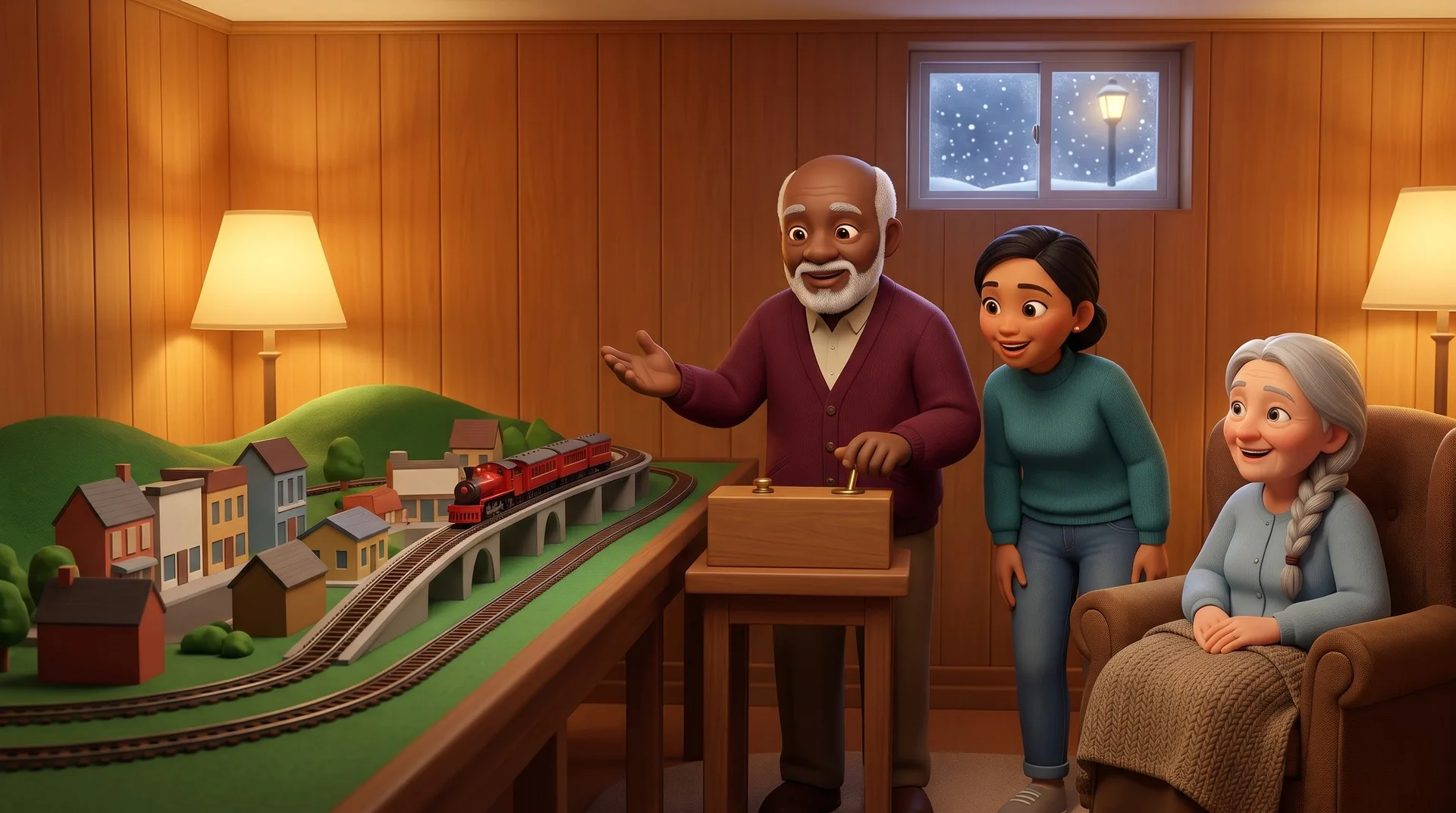
- When help is needed through the night, or someone lives inPublic bodies describe help at home being arranged around agreed days and times. What to ask about how a night would run, making room for a worker who stays, and keeping the house the person's own.
Independent Living
2 guides · 1 article
- Helping someone keep doing things for themselvesStepping in can feel like the kind thing to do. This guide is about doing everyday tasks alongside someone, at their pace, and knowing which questions belong with their care team.
- Repairs and upkeep in someone's home, on their termsA home needs looking after, and it is still the home of the person who lives there. Repairs and everyday upkeep worked out with them, and who to ask about the parts a family cannot settle.


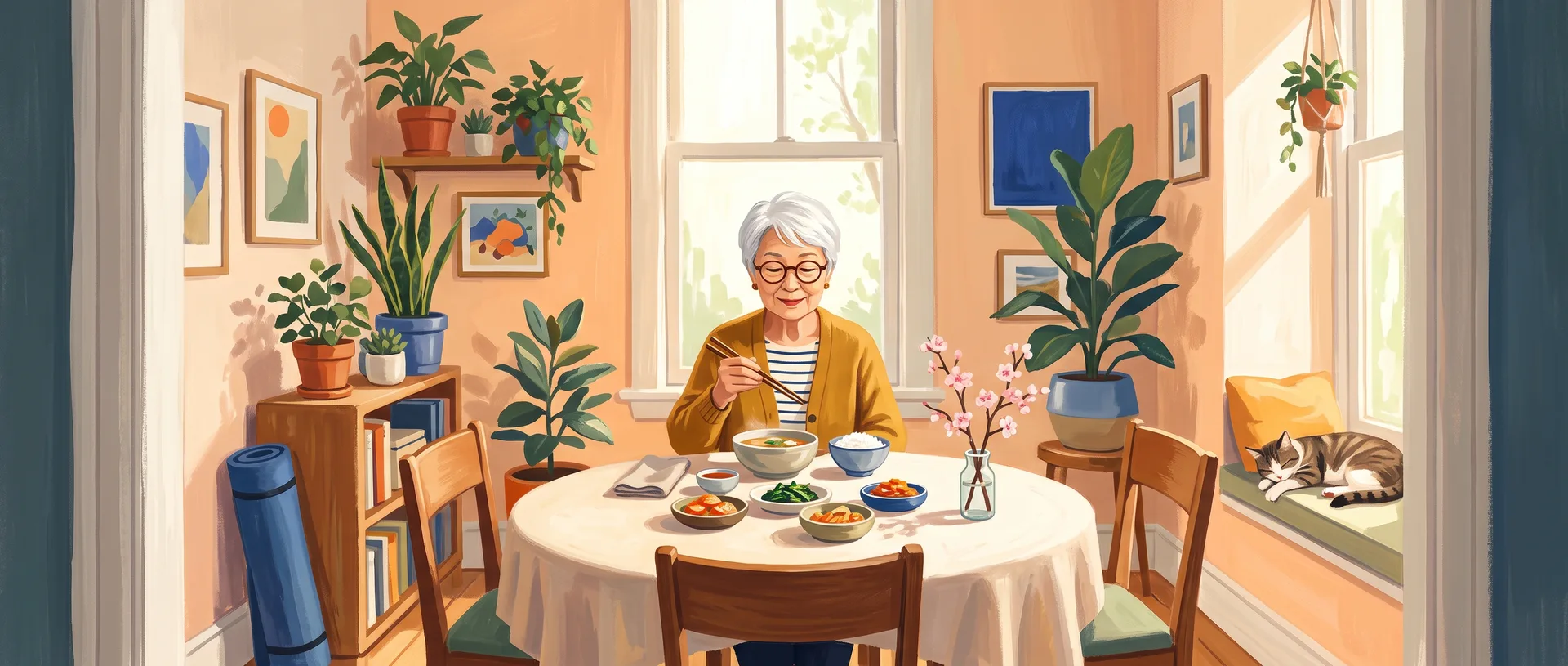
- The shape of a day belongs to the person living itToast at the counter, lunch at one, a neighbour with a cake tin on Thursdays. A look at meals as company and habit, and at who decides how a day runs.Eating and routineCare at home
Community Support
1 guide
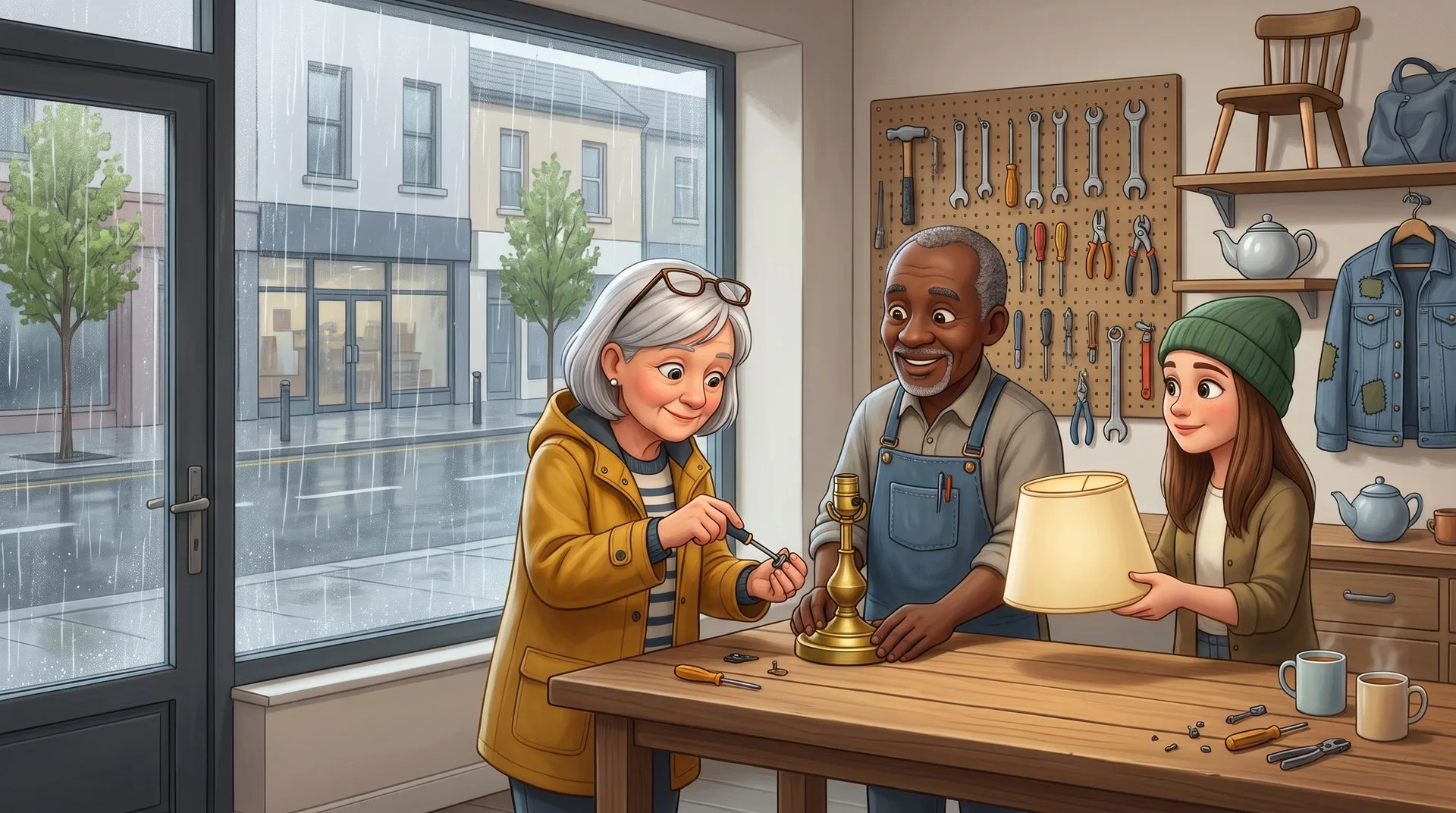
- Support in the community, and finding out what is localBeyond help in the home, public bodies describe community services such as shared or delivered meals, transport and social and learning groups. The kinds they describe, which public body can point to what runs nearby, and starting from what the person wants to keep doing in their area.
Respite and Short-Term Care
1 guide
- A break from caring, and who can step inA break can be an hour or a fortnight, and the people who cover can be family, volunteers or paid help. Here is how to picture one, line up cover and hand over well.

Specialist Care at Home
1 article
- How specialist care at home is arranged around a personWhen someone with complex needs is cared for at home, several services can be involved. How public bodies describe that care being assessed, planned and arranged, the coordinator or case manager some of them name, and the person's own say in it.Providers and the systemCare at home

Home Safety and Adaptations
1 guide · 1 article
- Changes that can make a home easier to live inFrom where the saucepans live to a second banister, there is a wide range of changes people consider. Here is that range, and why the right ones are worked out with the person who lives there.
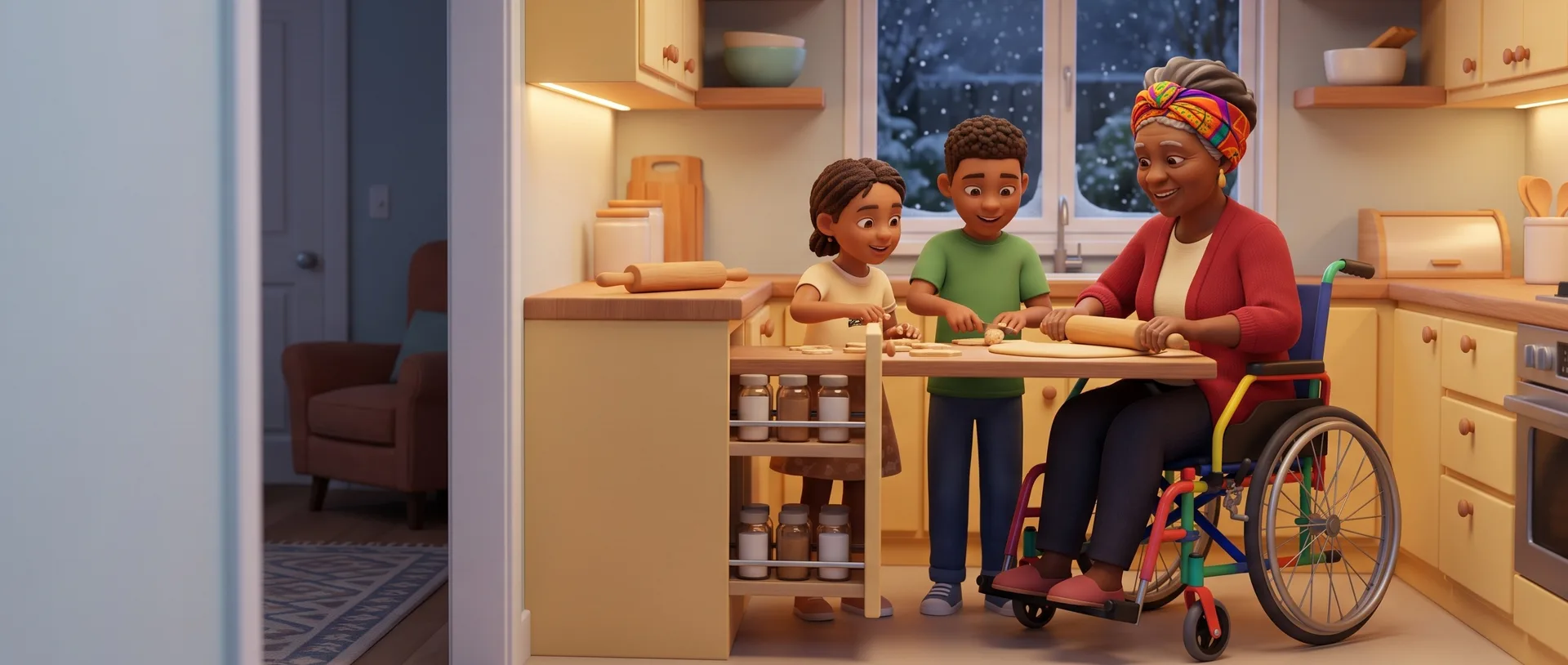
- A grab rail and the life it is there forA change at home is about what the person wants to keep doing there, and it is worked out with them, sometimes alongside an occupational therapist.Moving aroundCare at home

Home Care Provider Services and Standards
2 guides · 2 articles
- What good care at home can look likeRespect, familiar faces, unhurried visits and clear lines of communication are what guidance in England and an Irish evidence review describe.
- When someone's regular carer changesWhen a familiar carer leaves or is away, a routine can change. Ways to help the person you support through it, and what the two of you can ask the provider.


- Why home care visits are the length they areA visit can feel short from the outside. How visit lengths are usually set, what shapes them, and what you and the person you support can ask if the time does not fit.Providers and the systemCare at home
- Meeting the carer before the care beginsWhen home care starts, NICE guidance in England says new care workers should be introduced to the person before they visit on their own. Why guidance there treats familiar faces as part of good care.Providers and the systemCare at home

How we source
Carefulness, made visible.
Named, not counted
Each guide names its sources and tags each one Primary or Secondary. It never counts sources at you.
Under-claiming on purpose
Where no authority sets a threshold, we say so rather than inventing one.
Naming the limit
Every guide names where its authority ends, and who to ask instead.