
 WeHomeCare Family
 WeHomeCare Living
 WeHomeCare Connect
 WeHomeCare Campus
 WeHomeCare Omnibus
Care at home
When help is needed through the night, or someone lives in
Public bodies describe help at home being arranged around agreed days and times. What to ask about how a night would run, making room for a worker who stays, and keeping the house the person's own.

The boxes in the spare room are finally being cleared, because from next month someone else will be sleeping there. This guide is information, not medical advice. On purpose, it does not say whether anyone needs help at night or a care worker living in, and there are no hours, rotas or costs here.
Ask what kind of help is on offer, and when
Health Canada counts home support workers, health care aides and personal support workers among the people who give care at home and in the community. In Ireland, the HSE says home support can come from the HSE itself or from a provider it has approved.
None of those pages sets out night or live-in help as a service of its own, so it is a question to put plainly to whoever arranges the help: is anything offered in the evening or overnight, and could a worker ever stay? In Ireland, one question for the HSE is which hours its Home Support Service covers, and whether any of them fall at night.
What we don’t claim here
We don’t tell you whether a change is serious, or where ordinary ends and concerning begins. No authority sets that threshold, so we don’t imply one.
Who can weigh it: the person's doctor or other health professionals, who know them and their situation. Where to take it →
Ask what a night would actually cover
The HSE describes the person choosing a provider and then arranging the timings of home support with them, and describes working with the person and the provider on days and times that suit their care needs. Ontario Health atHome's welcome booklet describes visits arranged in advance, with a call often made before someone arrives.
Questions worth asking about a night include:
- what the worker would do during the night, and whether they would sleep;
- who the worker contacts if they need help themselves;
- how what happened overnight is passed on to whoever comes in the morning.
Make room for the worker without giving up the home
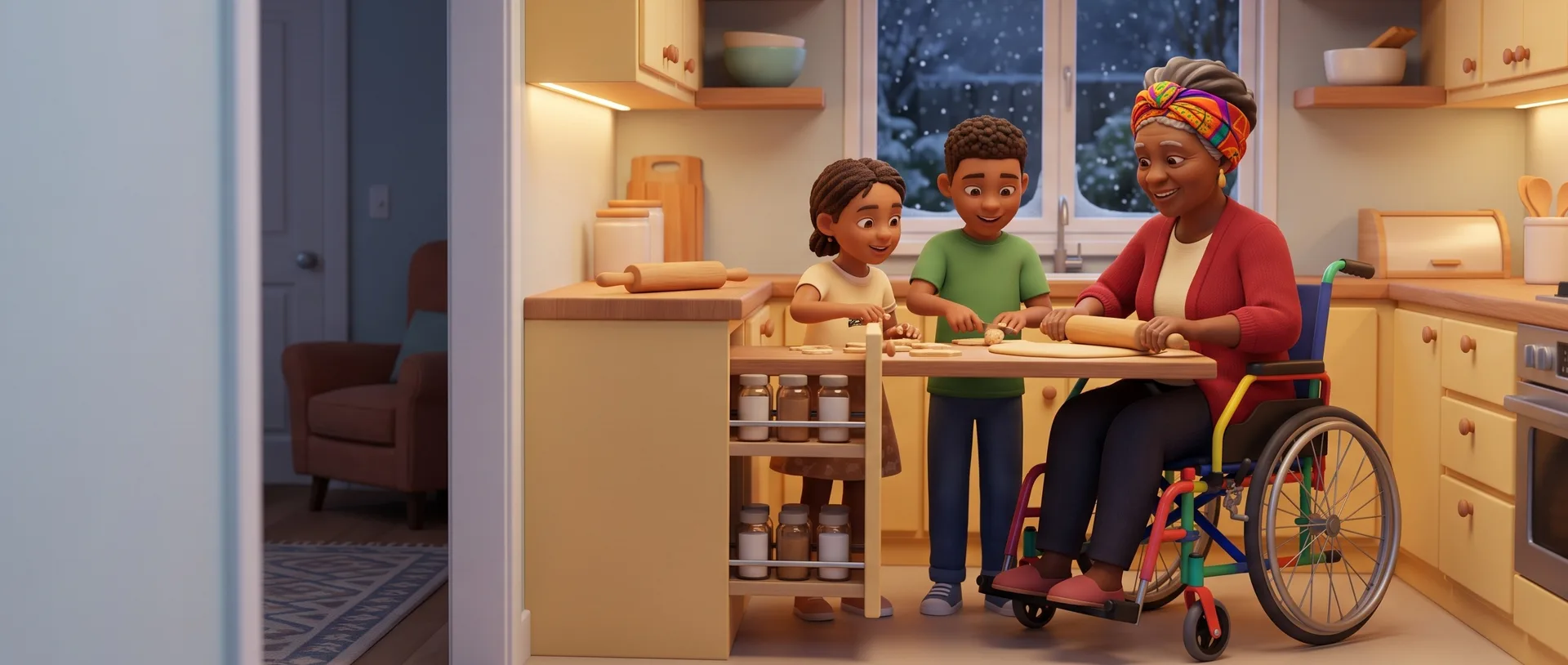
A worker who sleeps or lives in may need somewhere to rest, and the kitchen and bathroom may become shared. The Government of British Columbia says home support may also take in tasks such as cleaning, laundry and making meals, alongside help with daily living, so who does what around the house is worth agreeing at the start. Ontario Health atHome's booklet speaks of care that respects a person's dignity and privacy, and that is sensitive and responds to their needs and preferences. Which rooms stay private, when the house is quiet and who has a key are the person's to set.
Ask how breaks and cover work
Ask the provider, or the body arranging the help, what happens on the worker's own time off: who covers it, and how the person hears about a change of face. The employment side of having someone live in differs by place and is not set out here.
Hand the shape of it back to the person
How the nights and days run is the person's to shape, with the provider or the public body arranging it. Where there is real doubt that they can decide this for themselves, the household does not settle it: the public health or social care body in their area, or their doctor or care team, can say how such questions are approached locally. Anything about their health is worth bringing to their doctor or care team. What help at home can include looks at the wider range of help.
Health Canada, Ontario, British Columbia and Ireland's HSE carry what this guide describes. For the other provinces, the territories and Thailand, no official English-language source was found; the public health or social care body where the person lives can say what is arranged there.
When to ask a professional
This guide stops where a professional's judgment starts. Bring what you've noticed, plainly, to the person's doctor or other health professionals.
Sources
The outside sources this guide draws on.
Primary: Taken from the official source itself, and cited directly.
- PrimaryHealth Canada (Canada), Home, community and long-term care, date modified 7 April 2026, page read 6 November 2026
- PrimaryGovernment of British Columbia (Canada, British Columbia), Home Care, last updated 21 December 2017, page read 6 November 2026
- PrimaryOntario Health atHome (Canada, Ontario), Welcome Booklet, March 2026, page read 6 November 2026
- PrimaryHSE (Ireland), Home support service for older people, no date shown, page read 6 November 2026
- PrimaryHSE (Ireland), How to apply, Home Support Service, no date shown, page read 6 November 2026
- PrimaryHSE (Ireland), Choosing an approved home support provider, no date shown, page read 6 November 2026
Articles from this department
More in this department


How we source
Carefulness, made visible.
Named, not counted
Each guide names its sources and tags each one Primary or Secondary. It never counts sources at you.
Holding back
Where a part isn’t confirmed, a guide runs shorter and says what is missing.
Naming the limit
Every guide names where its authority ends, and who to ask instead.