
 WeHomeCare Family
 WeHomeCare Living
 WeHomeCare Connect
 WeHomeCare Campus
 WeHomeCare Omnibus
Children and families
Short breaks for families of children with care needs
A short break can be at home, in the community or overnight, and what is offered depends on what is available locally. What some public bodies and a children's hospital describe, who a family can ask, and the child's own routines, likes and views.
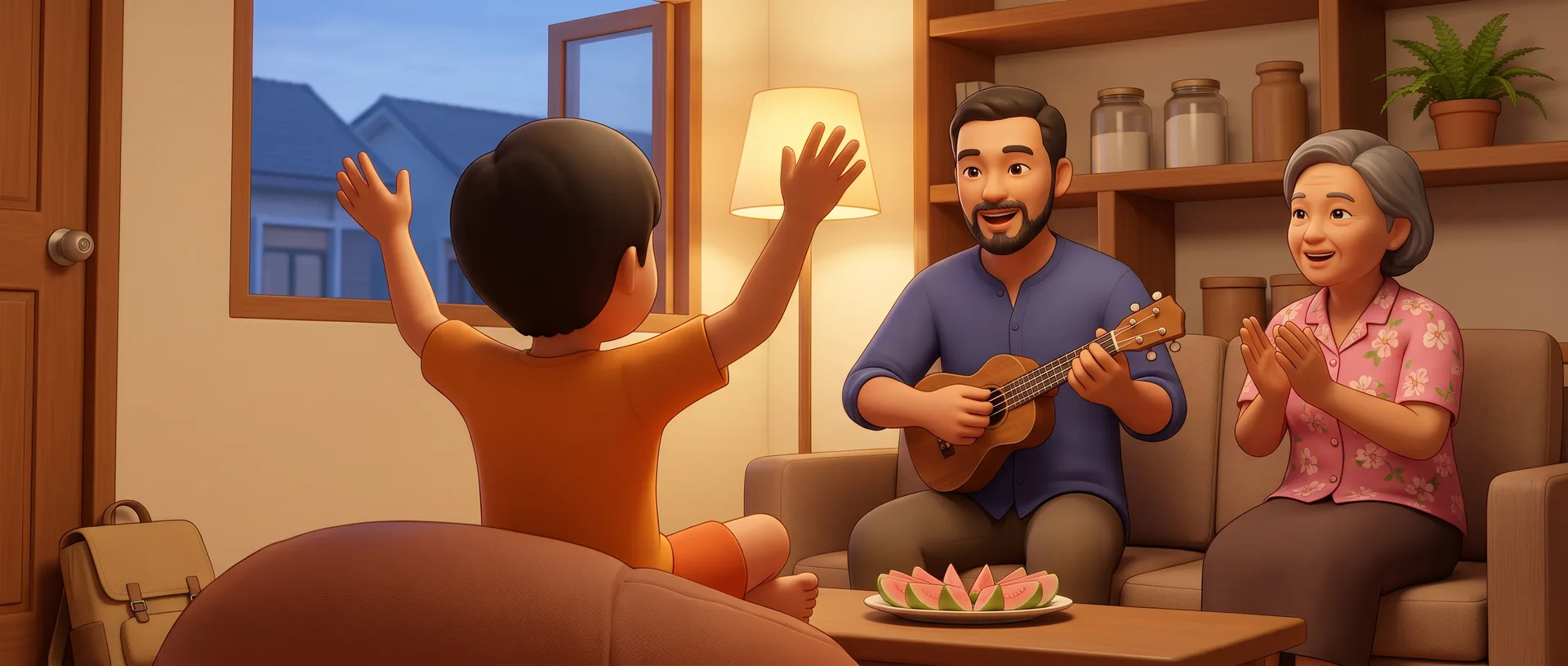
A school bag is dropped in the hall, and the evening begins in the order it always does: the same snack, the same programme, the same song before bed. Someone at a meeting mentioned respite, and no one at home can yet picture what that would mean here. This guide is information about short breaks, not medical advice. It cannot say whether a family will be offered a break, nor does it set out what to look for in a child, or say what any child's needs mean.
See what forms a break can take
Ireland's Health Service Executive (HSE) says a short break can be at home, in the community, or overnight in a respite facility. Ireland's HSE describes respite, which it also calls short breaks, as a trained person looking after a child for a short time so that the family has a break. The Government of Ontario, in Canada, says that agencies in a family's local community can provide short breaks both in the family home and outside it. The Government of Alberta, in Canada, lists short breaks in or outside the family home among the supports that families of children with disabilities may receive through its family support program.
What we don’t claim here
We don't tell you what a child's needs mean, or what age or stage anything should happen at. No authority sets one answer for every child, so we don't imply one.
Who can weigh it: the child's doctor or care team, who know the child and the family. Where to take it →
Ask who arranges breaks where you live
Ireland's HSE says that what is offered depends on the child's needs and on what is available locally, and suggests that families talk to the child's key worker or social worker, or to their GP or public health nurse, about short breaks and local options. The HSE in Ireland also notes that some disability organisations provide short breaks.
Who arranges breaks, and how, differs by where the family lives, and the child's care team or doctor is somewhere to start asking.
Start from the child's routines and likes
In Ireland, the national standards that the Health Information and Quality Authority (HIQA) sets for residential respite services for children say that a service's daily routines are to reflect those a child might experience in everyday life and be varied to suit the child's needs and interests.
Holland Bloorview, a children's rehabilitation hospital in Toronto, Canada, notes in a family tipsheet on respite that every child or teen has unique ways of communicating, learning and engaging with the world, and suggests that families can put together a profile of the child, with details such as their likes, dislikes and routines, for a new respite worker.
Bring the child into it in a way that suits them
In Ireland, the standards that HIQA sets for residential respite services for children say that children and their families are to be consulted about, and take part in, decisions about the services provided, and that the service actively and regularly seeks their views. The same HIQA standards for residential respite services also say that children's views are taken into account in all decisions, in line with their age, ability and stage of development.
Those standards are written for residential respite services in Ireland, not as a rule for families or for other kinds of break.
If it is unclear whether a child can make a particular decision about a break for themselves, the family does not have to work that out alone: the child's doctor or care team is the place for it, under formal arrangements that change from one place to the next.
Take the bigger questions to the child's care team
What the child needs during a break, and anything about their health or medicines, is worth bringing to the child's doctor or care team. The adults in the family can take their own wellbeing to their own doctors.
For a family member who also cares for an adult, A break from caring, and who can step in looks at breaks from that side. This guide draws on Ireland, and on Ontario and Alberta in Canada. In the provinces and territories it does not name, and in Thailand, it found no usable official English-language source on short breaks; the public health or social care body where the person lives can say what is on offer there.
Anything that cannot wait: the urgent-help guide.
When to ask a professional
This guide stops where a professional's judgment starts. Bring what you've noticed, plainly, to the child's doctor or care team, with the child included in a way that suits them.
Sources
The outside sources this guide draws on.
Primary: Taken from the official source itself, and cited directly. Secondary: Established in recognised guidance, summarised here.
- PrimaryHealth Service Executive (Ireland), Disability support and respite for parents and carers, last reviewed 29 September 2025
- PrimaryGovernment of Ontario (Canada, Ontario), Family support and respite for children and youth with special needs, updated 10 September 2026
- PrimaryGovernment of Alberta (Canada), FSCD: Supports and services, no date shown on the saved page, saved 5 November 2026
- PrimaryHealth Information and Quality Authority (Ireland), National Standards for Residential Services for Children and Adults with Disabilities, January 2013
- SecondaryHolland Bloorview Kids Rehabilitation Hospital (Canada), Family Tipsheet: Respite, last updated November 2024
WeHomeCare suites on this page
Articles from this department
More in this department
How we source
Carefulness, made visible.
Named, not counted
Each guide names its sources and tags each one Primary or Secondary. It never counts sources at you.
Holding back
Where a part isn’t confirmed, a guide runs shorter and says what is missing.
Naming the limit
Every guide names where its authority ends, and who to ask instead.