
 WeHomeCare Family
 WeHomeCare Living
 WeHomeCare Connect
 WeHomeCare Campus
 WeHomeCare Omnibus
Providers and the care system
When people are asked about their care, and what they say
In some places, public bodies ask people receiving care, and those close to them, about their experience of it. Who runs these surveys, what they ask about, the themes their published reports describe, and how to read them.
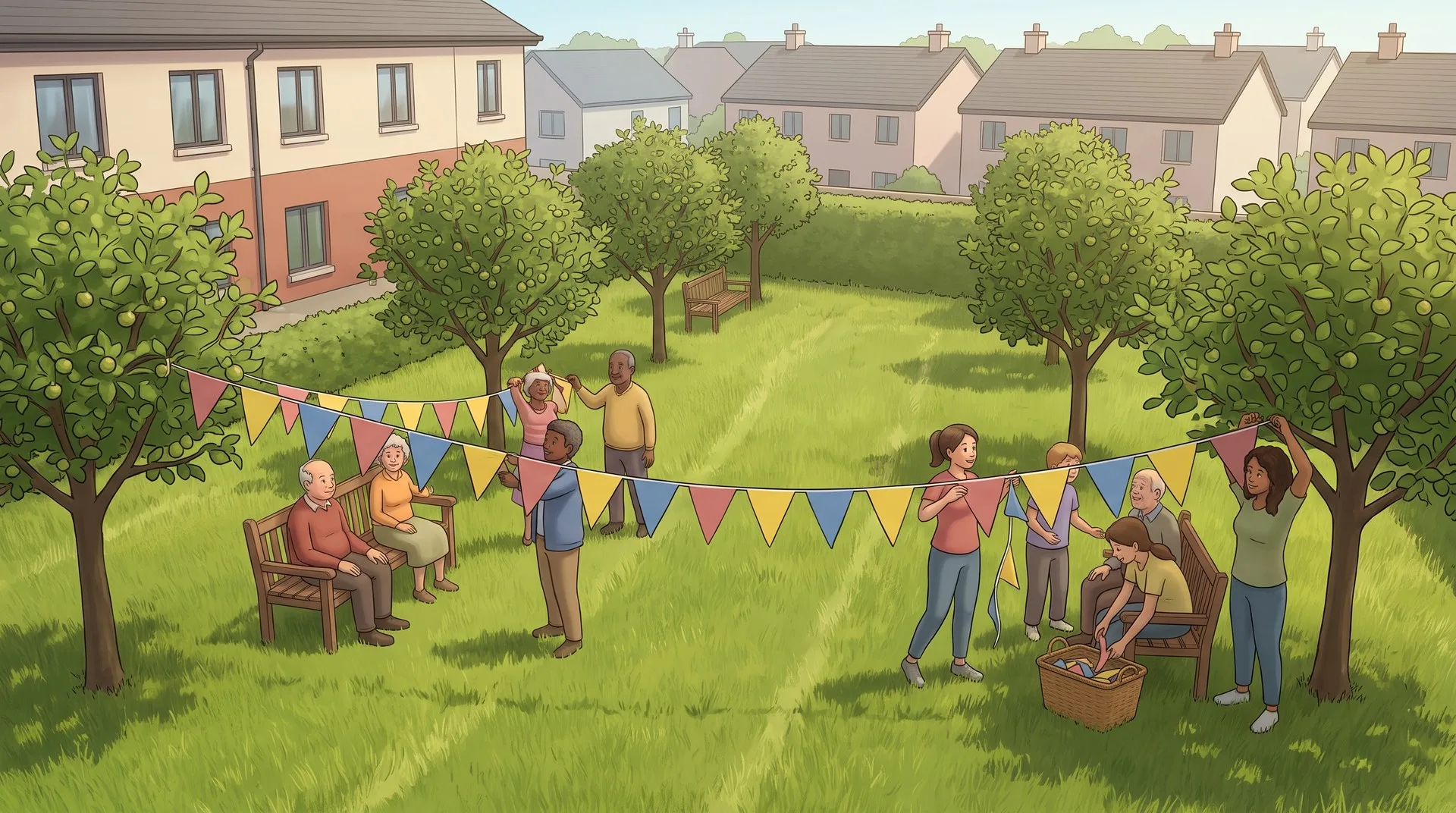
A headline says that people living in care homes have been asked about their care, and that they spoke well of the staff. It can read like a verdict. It is something narrower: what a group of people told a public body that asked them, in one place, at one time. This is information, not medical advice. No home or service is named or rated here, no one person's answers are repeated, and nothing below says whether care anywhere is good or poor.
Some public bodies ask people directly
In Ireland, the National Care Experience Programme describes itself as a shared initiative of HIQA (the Health Information and Quality Authority), the HSE (the Health Service Executive), the Mental Health Commission and the Department of Health. It says it asks people about their experiences of care in order to improve the quality of health and social care services in Ireland. For its national nursing home survey, HIQA says a face-to-face interview survey was developed for residents, a separate questionnaire went to relatives and friends, and one nominated family member or friend of each resident was invited to take part.
In Canada, British Columbia's Office of the Seniors Advocate has surveyed long-term care residents and visitors, and says its questions and design parallel an earlier round so that results can be compared. In Alberta, Health Quality Alberta surveys continuing care home residents and the friend or family member, living in Canada, most involved in each resident's care. Its home and community care survey asks clients about the quality of care and services they receive through home and community care.
Nationally, the Canadian Institute for Health Information has reported experience measures for hospital stays, such as involvement in decision-making and understanding information when leaving hospital; it says it no longer operates its national reporting system for them, though the survey tool stays available.
What we don’t claim here
We don’t tell you whether a change is serious, or where ordinary ends and concerning begins. No authority sets that threshold, so we don’t imply one.
Who can weigh it: the person's doctor or care team, who know them and their situation. Where to take it →
Themes in what people have said
Ireland's nursing home survey overview says the residents who took part were particularly positive about the living environment and about staff and caregivers. Most residents said they always had enough privacy, it reports, and most also said staff always treated them with respect and dignity. Some residents said they were not as involved as they would like to be in decisions about the care and support they received. Most residents, the same overview says, did not know how to reach advocacy services or organisations.
Among relatives and friends in that Irish survey, some spoke of staff efforts to help them stay in touch with residents, and others felt not enough was done to share information about the resident or to keep up contact.
In British Columbia, the Seniors Advocate says its long-term care survey found little improvement in areas such as how often residents are bathed, help at mealtimes, meaningful activities, and engagement with staff and other residents. Its news release says residents continue to give high marks to long-term care staff for their skill, their compassion and their ability to treat residents with respect.
Reading a survey report
Ireland's overview is plain about what its survey can and cannot carry. It explains that an interview approach was chosen to include more residents living with cognitive impairment, and that not all residents chose to take part, while some were not able to because of cognitive or physical impairment. The same overview cautions that it is not possible to establish causation.
Ireland's programme says it publishes its findings and shares them with service providers, policy makers and the public. Health Quality Alberta says a provincial report will summarise overall experiences and key takeaways for government, healthcare leaders and Albertans, and its home and community care survey page says all results are anonymised and kept confidential.
In this publication's reading, any one survey shows how a particular group described their care in one place at one time, not how care is for a particular person or in a particular home.
These surveys come from Ireland, and from British Columbia and Alberta in Canada, with CIHI nationally. No official English-language source on care experience surveys was found for Ontario, the other provinces and territories, or for Thailand, and the public health or social care body where the person lives can say whether one runs there. What good care at home can look like comes at care from published guidance. A concern about care as it stands now is one to raise with the provider, and When you disagree with a decision: reviews, complaints and who can help covers where it can go next.
In the surveys that say so, taking part is a choice. Health Quality Alberta says participation in its home and community care survey is completely voluntary, and Ireland's overview says relatives and friends were free to decline before an invitation was sent.
When to ask a professional
This piece stops where a professional's judgment starts. Bring what you've noticed, plainly, to the person's doctor or care team.
Sources
The outside sources this article draws on.
Primary: Taken from the official source itself, and cited directly.
- PrimaryNational Care Experience Programme (Ireland), About the programme, page modified 7 October 2026, page read 6 November 2026
- PrimaryHIQA (Ireland), National survey shows that nursing home residents experience good care, but highlights areas for improvement, 1 November 2022, page read 6 November 2026
- PrimaryNational Care Experience Programme (Ireland), National Nursing Home Experience Survey, Overview of Findings, November 2022, page read 6 November 2026
- PrimaryOffice of the Seniors Advocate (Canada, British Columbia), Every Voice Counts: Long-Term Care Resident and Visitor Survey Results 2023, 16 November 2023, page read 6 November 2026
- PrimaryOffice of the Seniors Advocate (Canada, British Columbia), Long-term care residents survey reveals gaps in service, high marks for skill, compassion of staff, 16 November 2023, page read 6 November 2026
- PrimaryHealth Quality Alberta (Canada, Alberta), 2026 Continuing Care Homes Resident and Family Experience Surveys, page modified 1 September 2026, page read 6 November 2026
- PrimaryHealth Quality Alberta (Canada, Alberta), 2026 Alberta Home and Community Care Client Experience Survey, page modified 1 September 2026, page read 6 November 2026
- PrimaryCanadian Institute for Health Information (Canada), Patient experience in Canadian hospitals, 2022, published 26 May 2022, updated March 2025, page read 6 November 2026
- PrimaryCanadian Institute for Health Information (Canada), Patient Experience, no date shown, page read 6 November 2026
Related reading

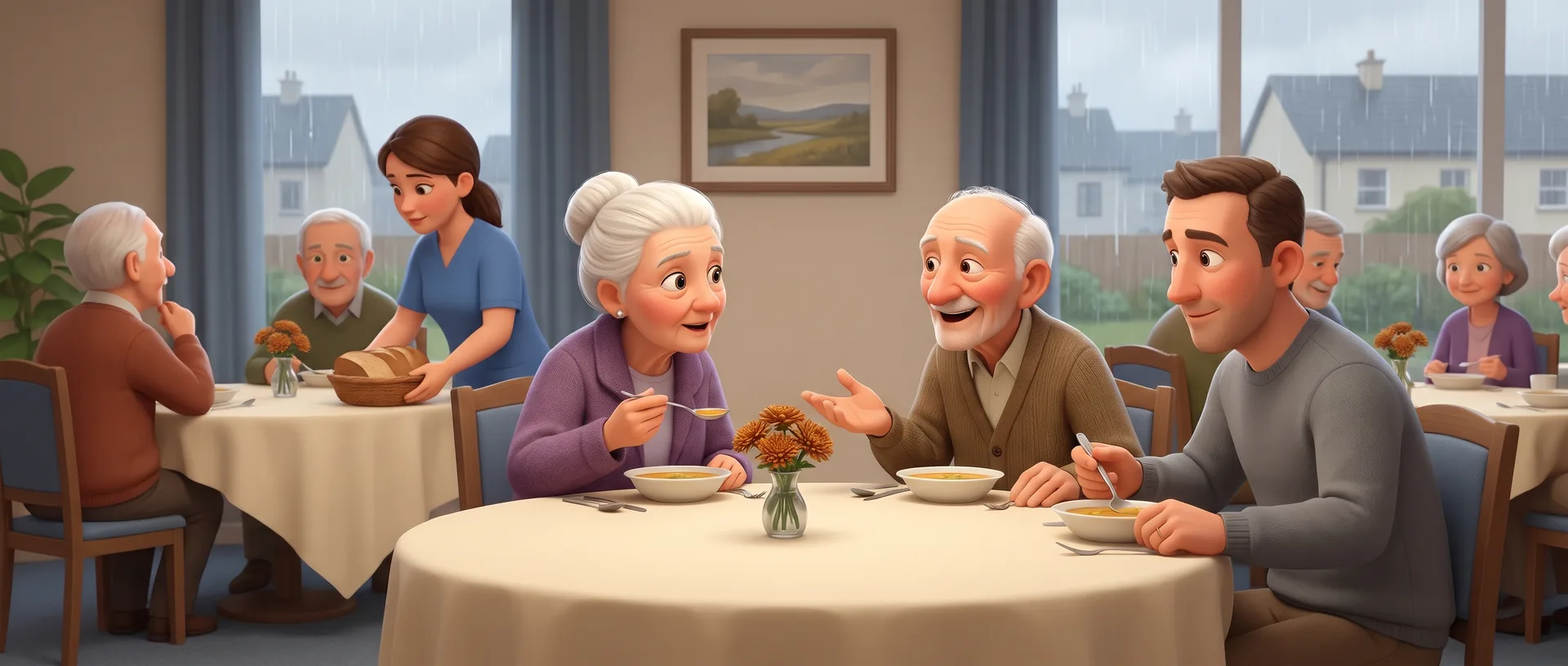




More articles in this department



How we source
Carefulness, made visible.
Named, not counted
Each piece names its sources and tags each one Primary or Secondary. It never counts sources at you.
Holding back
Where a part isn’t confirmed, a piece runs shorter and says what is missing.
Naming the limit
Every piece names where its authority ends, and who to ask instead.