
 WeHomeCare Family
 WeHomeCare Living
 WeHomeCare Connect
 WeHomeCare Campus
 WeHomeCare Omnibus
Providers and the care system
Support after a brain injury, and the person's own goals within it
Support after an acquired brain injury can carry on at home and in the community. What some public bodies and brain injury non-profits describe about that support, the person's own goals within it, and the family's part.
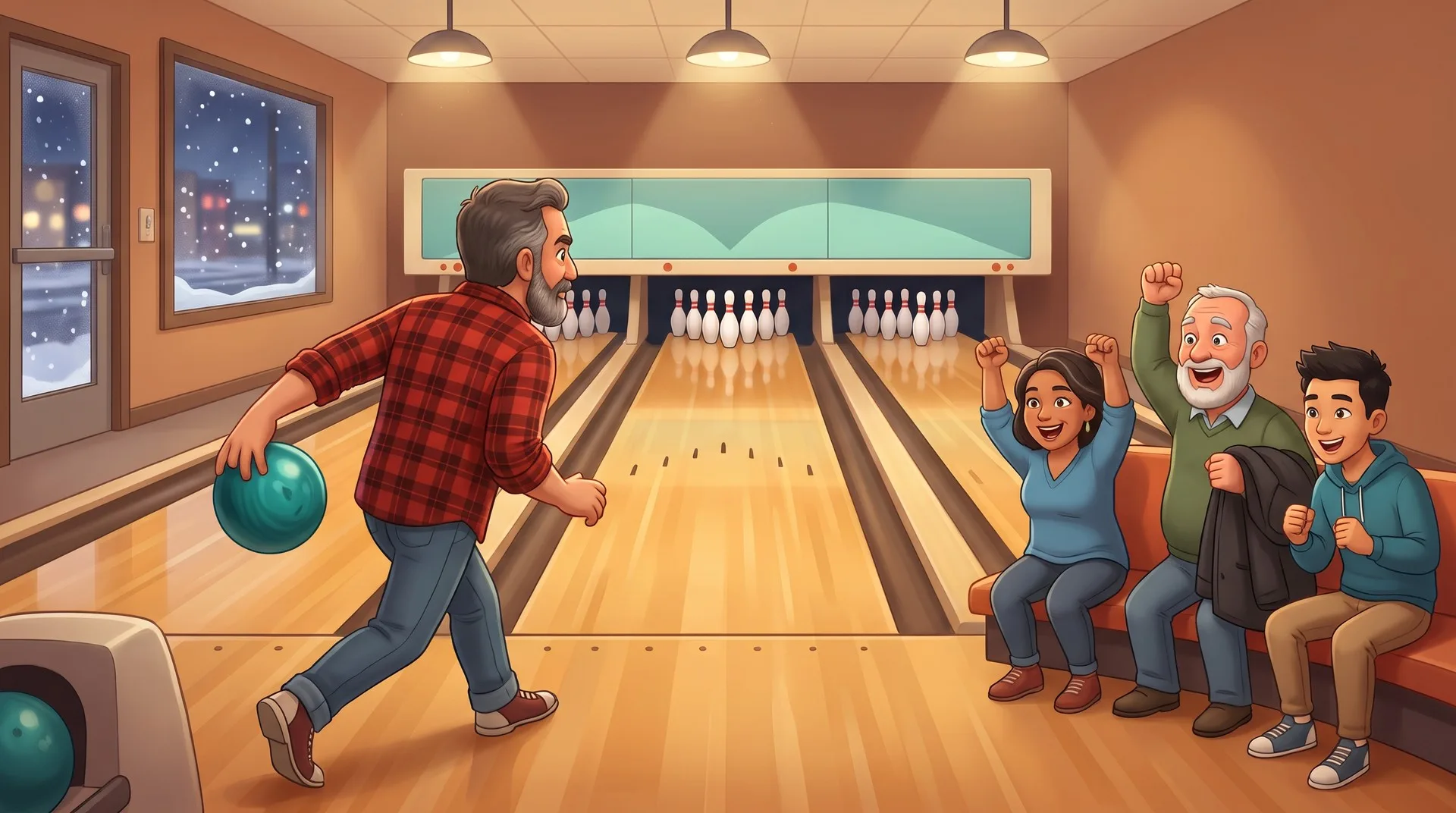
In a community hall on a Tuesday evening, someone is setting chairs out in a circle while someone else hunts for the biscuit tin. Support after a hospital stay, and whose goals it serves, is the subject here. This is information about services, not medical advice. There is no list of effects in it and no timeline, and nothing here says how anyone's life after an injury will go.
An acquired brain injury, as some bodies describe it
Brain Injury Canada, a national non-profit, describes an acquired brain injury as damage to the brain that happens after birth and is not linked to a congenital or degenerative disease. In Ireland, the non-profit Acquired Brain Injury Ireland describes it as a brain injury that happens during a person's life, after birth, usually coming on quickly.
Neither treats it as one thing: Brain Injury Canada says each individual will experience their own combination of challenges and changes, and Acquired Brain Injury Ireland says every brain injury is unique to the person it affects. What it means for one person is a question for their own doctor or care team.
What we don’t claim here
We don't tell you what support a person needs or what they qualify for. That is for the person and the people who assess and arrange their support, so we don't imply an answer.
Who can weigh it: the person, with their doctor, occupational therapist or care team, and whoever arranges their support. Where to take it →
Support can carry on in the community
In Canada, the Government of Alberta describes a provincial brain injury initiative that helps adults with acquired brain injury to live, work and take part in their communities. The Government of Alberta says agencies under that initiative act as service coordinators, assisting survivors and their families to identify, apply for and coordinate benefits and services.
In British Columbia, HealthLink BC lists acquired brain injury services that provide assessment and coordination of community-based services for adults with an acquired brain injury, and says those services vary by location and may include rehabilitation, life-skills support, day programs, therapy and family support. Fraser Health, one of the province's health authorities, says its case managers work with people living in their own homes, and describes day programs where people with acquired brain injuries can meet others.
In Ontario, Ontario Health atHome names adults with acquired brain injuries among the groups on its family-managed home care page, and the Ontario Brain Injury Association, a provincial non-profit, describes a peer support program open to both survivors and caregivers. In Ireland, Acquired Brain Injury Ireland describes a home and community rehabilitation service available in many counties, and Headway Ireland, another national non-profit, says it provides services in the community to people affected by a brain injury, stroke included.
What exists, and how it is reached, differs by where the person lives.
The person's own goals lead
Fraser Health in British Columbia says its case managers set goals together with the person and check regularly that the services are still right for them.
The Government of Alberta says its service coordinators work with survivors, their families and community service providers to develop service plans and agreements as needed. In Ireland, Acquired Brain Injury Ireland describes individually designed plans to help people reach their goals, and Headway Ireland says its staff assist people to build on their strengths and reach realistic goals.
There may be times when it is uncertain whether the person can make a given decision for themselves. The family is not the one to settle that: it is for the person's doctor or care team, and the formal route for it depends on where the person lives.
The family's part, and support for the family
Interior Health in British Columbia says its acquired brain injury services also help families, caregivers and staff in supporting the person, and in managing changes to the family that may occur after a brain injury. In Ireland, Acquired Brain Injury Ireland describes a nationwide service open to anyone caring for an adult brain injury survivor, offering families information, education, training and support.
NICE's guideline for England recommends discussing with the person who is important to them, and whether and how they would like those people to be involved. A family member's own health, and how the caring is going for them, is worth taking to their own doctor.
The descriptions here come from Alberta, British Columbia and Ontario in Canada, with a national non-profit for Canada as a whole; from national non-profits in Ireland, where no public body's page could be used; and from a guideline written for England only. For the Government of Canada, the other provinces and the territories, no official English-language source was found. For Thailand, nothing usable from a Thai public body came to light. In each of those places, the public health or social care body where the person lives can say what support there is. Questions about the person's health are worth bringing to their doctor or care team, with the person choosing what to raise, and anything urgent belongs with the urgent-help guide.
When to ask a professional
This piece stops where a professional's judgment starts. The person can take what matters to them, plainly, to their doctor, occupational therapist or care team, with support if they want it.
Sources
The outside sources this article draws on.
Primary: Taken from the official source itself, and cited directly. Secondary: Established in recognised guidance, summarised here.
- SecondaryBrain Injury Canada (Canada), Acquired Brain Injury: The Basics, no date shown, page read 6 November 2026
- SecondaryAcquired Brain Injury Ireland (Ireland), Causes of Brain Injury, last modified 19 December 2025, page read 6 November 2026
- PrimaryGovernment of Alberta (Canada, Alberta), Brain injury supports, published 10 December 2025 (page metadata), page read 6 November 2026
- PrimaryHealthLink BC (Canada, British Columbia), Acquired Brain Injury Services, no date shown, page read 6 November 2026
- PrimaryInterior Health (Canada, British Columbia), Acquired Brain Injury Services, no date shown, page read 6 November 2026
- PrimaryFraser Health (Canada, British Columbia), Acquired Brain Injury Services, no date shown, page read 6 November 2026
- PrimaryOntario Health atHome (Canada, Ontario), Family-Managed Home Care, no date shown, page read 6 November 2026
- SecondaryOntario Brain Injury Association (Canada, Ontario), Peer Support Program, last modified 7 July 2026, page read 6 November 2026
- SecondaryAcquired Brain Injury Ireland (Ireland), Home and community rehabilitation, last modified 18 December 2025, page read 6 November 2026
- SecondaryAcquired Brain Injury Ireland (Ireland), Support for Families & Carers, last modified 18 December 2025, page read 6 November 2026
- SecondaryHeadway Ireland (Ireland), Home page, last modified 9 October 2023, page read 6 November 2026
- PrimaryNICE (England), NG252 Rehabilitation for chronic neurological disorders including acquired brain injury, published 15 October 2025, page read 6 November 2026
Related reading

More articles in this department

How we source
Carefulness, made visible.
Named, not counted
Each piece names its sources and tags each one Primary or Secondary. It never counts sources at you.
Holding back
Where a part isn’t confirmed, a piece runs shorter and says what is missing.
Naming the limit
Every piece names where its authority ends, and who to ask instead.